What Is an IPTV Encoder? 5 Things You Must Know
We have all felt that frustrating moment when a live broadcast freezes or the picture quality suddenly drops. You want to share your message with the world, but technology often feels like a barrier rather than a bridge. Finding the right tools to deliver smooth, professional content should not feel like a chore.
An iptv encoder acts as the silent hero in your digital setup. It takes raw video signals and transforms them into a format that travels easily across the internet. By using these reliable streaming solutions, you ensure your audience enjoys a crisp, clear viewing experience every single time.
These devices bridge the gap between your camera and your viewers’ screens. Whether you are running a business or building a community, understanding this hardware is the first step toward success. Let’s explore how these professional streaming solutions can elevate your reach and simplify your workflow. Mastering your iptv encoder setup will change how you connect with your audience forever.
Key Takeaways
- Encoders convert raw video into digital formats for web delivery.
- They are essential for maintaining high-quality live broadcasts.
- These devices bridge the gap between cameras and end-user devices.
- Professional hardware reduces lag and buffering for your viewers.
- Understanding this technology is vital for modern digital media growth.
Defining the IPTV Encoder
At the heart of every high-quality digital broadcast lies a specialized device known as an iptv encoder. This technology serves as the essential bridge between raw video signals and the digital streams you watch on your devices. By converting bulky, uncompressed video into a compact format, it ensures that content travels smoothly across complex network infrastructures.
The Role of Video Compression in Streaming
The primary job of this device is to manage video compression. Without this process, raw video files would be far too large to transmit over standard internet connections in real time. Compression acts as the engine behind efficient digital delivery, stripping away redundant data while maintaining visual quality.
This transformation allows broadcasters to reach global audiences without overwhelming network bandwidth. By optimizing the data stream, the iptv encoder ensures that your viewers experience minimal buffering and consistent playback. It is the silent workhorse that makes modern streaming possible with IPTV Encoder .
Hardware vs. Software Encoding Solutions
When building your broadcast setup, you must choose between two main approaches: hardware encoding or software encoding. Each method offers distinct advantages depending on your specific production needs and budget constraints.
Hardware units are dedicated appliances built specifically for the task of encoding. They are highly reliable and offload the processing burden from your main computer. Conversely, software solutions run on general-purpose computers, offering greater flexibility and easier updates.
Consider these key differences when selecting your technology:
- Reliability: Hardware encoding provides stable, 24/7 performance for professional broadcasts.
- Flexibility: Software encoding allows for quick changes to settings and easy integration with various plugins.
- Cost: Dedicated hardware often requires a higher upfront investment compared to software licenses.
- Portability: Software solutions are ideal for mobile setups, while hardware is better for fixed studio environments.
Ultimately, the right choice depends on your broadcast requirements and the scale of your operation. Both methods rely on advanced video compression to deliver high-quality results to your end users.
How an IPTV Encoder Works
Transforming raw video into a digital format requires a sophisticated sequence of processing stages. An iptv encoder acts as the bridge between your physical camera equipment and the digital world. By converting visual data into compressed packets, it ensures that your content remains stable during transmission.
Capturing Raw Video Signals
The process begins when your hardware receives a raw signal from a source like a professional camera or a production switcher. Most systems utilize standard interfaces such as HDMI or SDI to ingest this high-quality feed. The device must accurately interpret these signals to maintain color accuracy and frame integrity before any processing occurs.
The Process of Transcoding for Network Delivery
Once the signal is captured, the device performs transcoding to prepare the data for network delivery. This stage involves compressing the massive amount of raw video data into a manageable size. By adjusting the bitrate and resolution, the iptv encoder ensures that your stream can travel across various internet speeds without buffering.
This compression is vital for maintaining a balance between visual quality and file size. Without this step, the data would be too heavy for standard internet connections to handle efficiently. Proper optimization at this stage is the secret to a smooth viewing experience for your audience.
Ensuring Compatibility with Streaming Protocols
Finally, the processed data must be packaged into specific streaming protocols to reach the end user. These standards act as a language that allows different devices to understand and display your video content correctly. Choosing the right format is essential to prevent playback errors on mobile devices, smart TVs, or web browsers.
Commonly used formats for network delivery include:
- HLS (HTTP Live Streaming) for broad device support.
- DASH (Dynamic Adaptive Streaming over HTTP) for high-quality delivery.
- RTMP (Real-Time Messaging Protocol) for low-latency ingestion.
Key Benefits of Using a Strong IPTV Setup
Organizations that prioritize viewer satisfaction often find that their choice of encoding hardware makes all the difference. A robust system acts as the foundation for delivering consistent, high-quality streams to your audience. By choosing the right tools, you ensure that your digital content remains competitive in a crowded market.
Achieving Low Latency for Live Broadcasts
Speed is a vital component when you are managing live broadcasts. A strong IPTV setup minimizes the delay between the source and the screen, which is essential for sports or interactive events. When latency stays low, your viewers enjoy a seamless experience that feels immediate and engaging.
Improving Bandwidth Efficiency
Managing network resources effectively is a top priority for any growing organization. Through advanced video compression, you can significantly boost your bandwidth efficiency without overloading your infrastructure. This approach allows you to deliver more content to more users while keeping operational costs under control.
- Reduced data consumption per stream.
- Lower costs for network transit.
- Increased capacity for concurrent viewers.
- Smoother playback on mobile networks.
Maintaining High Visual Fidelity
Many people worry that compressing data will ruin the look of their video. However, modern encoding technology allows you to maintain high visual fidelity even at lower bitrates. By using smart video compression, you ensure that your content looks sharp and professional on every device.
Ultimately, the goal is to balance bandwidth efficiency with the best possible picture quality. When you invest in a high-quality setup, you protect your brand reputation by providing a premium viewing experience. This commitment to quality keeps your audience coming back for more live broadcasts.
Understanding IPTV Pricing Models
Navigating the landscape of IPTV Encoder pricing requires a clear understanding of both upfront investments and ongoing operational expenses. By analyzing the primary factors that influence your budget, you can make informed decisions that align with your specific project needs.
Factors Influencing Hardware Costs
When evaluating hardware costs, it is important to look beyond the initial price tag. High-quality encoders often feature better thermal management and more robust processing chips, which reduce the risk of failure during live events.
- Processing power and core count
- Build quality and chassis durability
- Brand reputation and warranty support
- Input/output interface variety
Subscription-Based vs. One-Time Purchase Options
Choosing between a one-time purchase and a subscription model depends on your cash flow preferences. A one-time purchase represents a capital expenditure that grants you full ownership of the equipment. Conversely, subscription models often include software updates and cloud management features as part of a recurring fee.
Consider these trade-offs when making your final selection:
- Upfront capital requirements
- Long-term maintenance obligations
- Access to premium software features
- Flexibility to upgrade hardware cycles
Hidden Costs to Consider for Scalability
Planning for future scalability is essential to avoid unexpected expenses as your audience grows. Many users overlook the secondary costs that arise when expanding a network to support more channels or higher bitrates.
Keep these potential expenses in mind to ensure your budget remains stable:
- Increased bandwidth and data transit fees
- Licensing costs for advanced streaming protocols
- Technical support and specialized training
- Redundancy equipment for failover protection
Essential Features to Look for in Hardware
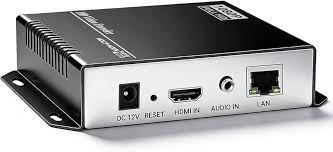
Selecting professional-grade hardware requires a careful look at several key technical features. While software encoding offers flexibility, dedicated hardware encoding provides the stability needed for high-traffic environments. Making the right choice ensures your system remains reliable for years to come.
Support for H.264 and H.265 Codecs
Modern streaming demands efficient compression to maintain high visual fidelity without overwhelming your network. You should prioritize devices that offer native support for both the h.264 codec and the h.265 codec.
The H.265 standard is particularly useful for improving bandwidth efficiency when streaming high-definition content. By choosing hardware that supports these standards, you ensure compatibility with a wide range of playback devices.
Multi-Channel Input Capabilities
Complex production environments often require the ability to process multiple video feeds simultaneously. A robust encoder should handle various inputs to keep your workflow organized and efficient.
- Support for multiple HDMI or SDI inputs.
- Seamless switching between different camera angles.
- Integrated audio embedding for professional sound.
- Real-time monitoring of all active channels.
Reliability and Thermal Management
System downtime can be costly, so you must evaluate the build quality of your equipment. Proper thermal management is essential to prevent overheating during long broadcast sessions.
High-quality units often feature advanced cooling systems that protect internal components from heat damage. While these units might impact your initial hardware costs, they provide better long-term value by reducing the risk of failure. Always look for devices designed with industrial-grade materials to ensure maximum uptime.
Common Challenges and Troubleshooting
Even the most reliable systems occasionally face technical hurdles that require a steady hand to resolve. Proactive maintenance ensures that your hardware continues to perform at its peak during critical operations.
Addressing Network Jitter and Packet Loss
Network jitter often disrupts the smooth flow of data, leading to stuttering video or audio sync issues. To improve your network delivery, you should prioritize traffic using Quality of Service (QoS) settings on your local routers.
Packet loss is another common enemy of high-quality video. You can mitigate these issues by following these steps:
- Switch to wired Ethernet connections instead of relying on unstable Wi-Fi.
- Verify that your streaming protocols are configured correctly for your specific network environment.
- Monitor your bandwidth usage to prevent congestion during peak hours.
- Use managed switches to reduce collision domains within your local infrastructure.
Managing Firmware Updates and Security Patches
Keeping your firmware current is essential for long-term scalability and system stability. Manufacturers frequently release updates that fix bugs and close potential security gaps.
You should schedule regular maintenance windows to apply these patches without interrupting your service. Neglecting these updates can leave your hardware vulnerable to unauthorized access or unexpected crashes.
Optimizing Bitrate Settings for Different Devices
Delivering content to a variety of screens requires a balanced approach to encoding. When you prepare live broadcasts, you must choose the right compression standards to match your audience’s hardware capabilities.
The H.264 codec remains the industry standard for broad compatibility across older mobile devices and web browsers. However, if you are targeting modern displays, the H.265 codec offers superior visual quality at lower bitrates.
Always test your stream on multiple devices before going live. This simple step ensures that your viewers enjoy a consistent and high-quality experience regardless of their hardware.
Expert Support and How to Contact Us for a Strong IPTV
Expert guidance serves as the bridge between a basic setup and a professional-grade broadcast. While hardware is IPTV Encoder essential, the strategy behind your configuration determines long-term success. Professional insight ensures that your system remains stable under heavy traffic.
Why Professional Guidance Matters for Deployment
Successful infrastructure deployment requires a deep understanding of network architecture and video protocols. Without proper planning, even the most expensive hardware can fail to meet your specific needs. Experts help you avoid common pitfalls that lead to downtime or poor viewer experiences.
Working with a specialist allows you to optimize your workflow from the start. They provide the foresight needed to scale your operations as your audience grows. Consider these advantages of seeking expert advice:
- Reduced risk of hardware incompatibility.
- Optimized settings for lower latency.
- Better management of network resources.
- Long-term cost savings through efficient design.
Getting Personalized Recommendations for Your IPTV Encoder Infrastructure
Every business has unique constraints, whether it is limited bandwidth or specific device requirements. We focus on providing tailored streaming solutions that align with your exact goals. By analyzing your current environment, we can suggest hardware that fits your budget and performance targets.
Our team evaluates your existing setup to identify potential bottlenecks. We then recommend upgrades that offer the highest return on investment. This personalized approach ensures that your technology works for you, rather than against you.
Reaching Out for Technical Assistance
When you are ready to take the next step, our team is here to help. We provide IPTV Encoder dedicated technical assistance to ensure your systems run smoothly at all times. Whether you face a complex integration challenge or need a quick configuration check, we are just a message away.
Do not hesitate to contact us to discuss your project requirements. We look forward to helping you build a reliable and high-performing video network. Reach out today to start your journey toward better streaming.
Conclusion
Mastering the right encoder technology empowers your organization to deliver high-quality video content to any audience. Reliable streaming solutions serve as the backbone of modern digital communication.
Navigating the complexities of iptv Encoder pricing requires a clear understanding of your long-term goals. Smart investments today prevent costly upgrades as your viewer base grows.
Successful infrastructure deployment relies on choosing hardware that fits your specific network needs. High-performance gear ensures your IPTV Encoder broadcasts remain stable during peak traffic hours.
Expert technical assistance provides the guidance necessary to overcome unexpected hurdles. Our team stands ready to help you refine your setup for maximum efficiency.
Reach out to us to discuss your project requirements. We look forward to helping you build a robust and scalable video delivery system.